JIS Z 2801 · ISO 22196
AG Antibacterial
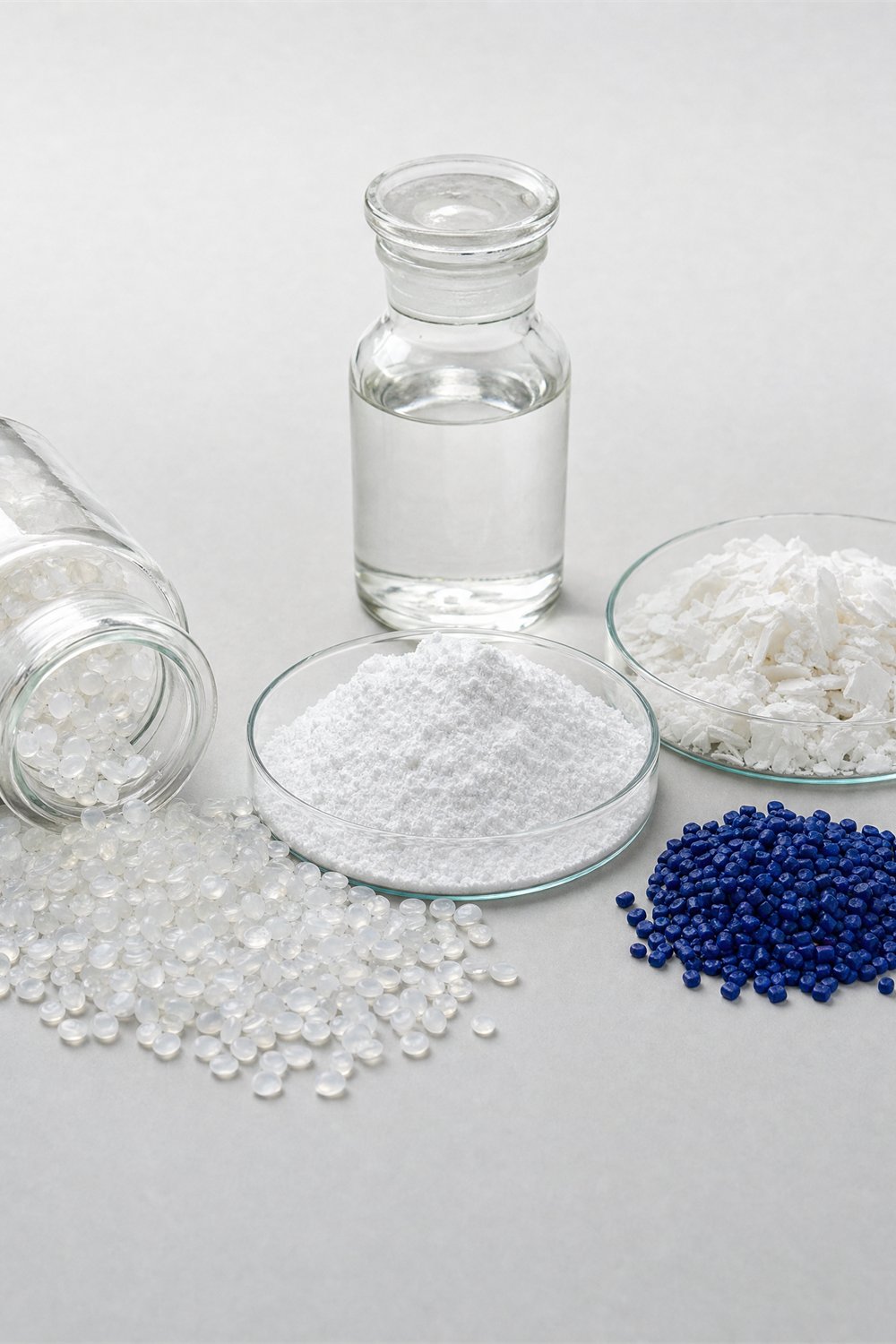
Broad-spectrum nanoparticle-based additive with high efficiency in reducing bacterial growth on plastic polymers. Complies with JIS Z 2801 and ISO 22196.
Additives
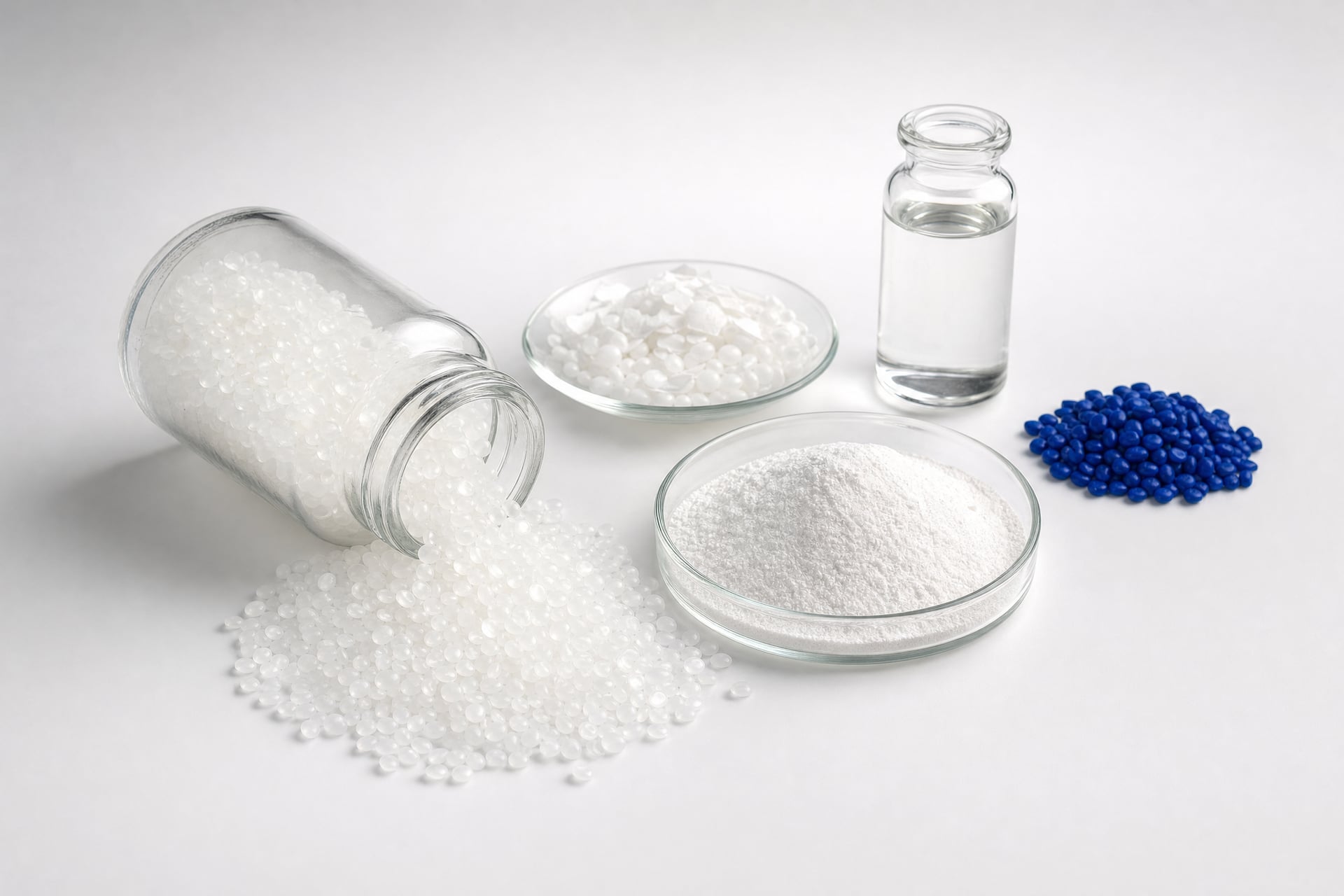
Functional additive concentrates designed to the specific requirement of each customer. For plastics, paints and inks.
Catalog
Seven families of concentrates that correct processing, appearance and service life of the material. Each one is formulated to your product requirement, with no closed catalog.
JIS Z 2801 · ISO 22196
Broad-spectrum nanoparticle-based additive with high efficiency in reducing bacterial growth on plastic polymers. Complies with JIS Z 2801 and ISO 22196.
Oxo-biodegradable
Accelerates polymer breakdown in stages: oxidation and fragmentation down to compostable residues that do not alter the environment.
Traceability
Markers invisible to the naked eye for authenticating and tracing finished product.
Moisture control
Absorb moisture from the material during processing and reduce surface defects on the part.
Weathering
Extend the service life of parts exposed to sunlight and outdoor conditions.
Recycled materials
Give the plastic product a specific scent. Reduce unwanted odors generated when reprocessing recycled materials.
Protection
Protect the polymer in applications that require microbiological control or repellency.
How it is dosed
Share the requirement and the lab proposes the loading and the dosage for your process.
Share your polymer, your process and the function you need: antibacterial, UV, biodegradable or a combination.
Each concentrate is formulated for your polymer and your process. The lab proposes the additive loading.
You receive the recommended dosage for your line and validate it in your own production before committing volume.
Frequently asked questions
If your question is not here, write it in the quote form and we answer it with technical judgment.
Slip, antistatic, UV stabilizers and how they combine with color.
They correct what the resin alone does not solve: how the material flows in the machine, how the part looks and how long it lasts in service. They are dosed in low amounts and change processing, appearance or service life without changing the resin.
The slip agent lowers the surface coefficient of friction so the film runs. The antiblock prevents two film layers from sticking together when wound or stacked. They are used together in blown film and flexible packaging.
When the part or film builds up charge and attracts dust, gives shocks or sticks during handling. The antistatic gives the surface some conductivity and dissipates the charge. Note: other migratory additives, such as slip agents, compete for the surface and can reduce its effect.
It is an additive that slows polymer degradation from solar radiation. Absorbers convert radiation into non destructive heat, and HALS capture the radicals that start degradation. Actual protection depends on wall thickness, part color and exposure, which is why it is sized per application.
Yes, it is the usual approach when the part needs both: a concentrate is formulated that carries the color and the additive in the same dosage. It reduces mixing steps and avoids dosing errors on the plant floor.
Describe the problem you want to correct (slip, blocking, static, weathering or another), the polymer, the process and the estimated volume. With that we propose the additive, the loading and the presentation, in powder or in masterbatch. Write through the form or by WhatsApp. Every request is reviewed within 24 business hours.
Quote
Three pieces of information are enough to start: shade reference, application and estimated volume. Every request is reviewed within 24 business hours.
Phone
Hours
Monday to Friday, 8:00 am to 6:00 pm