Water-based
For aqueous systems
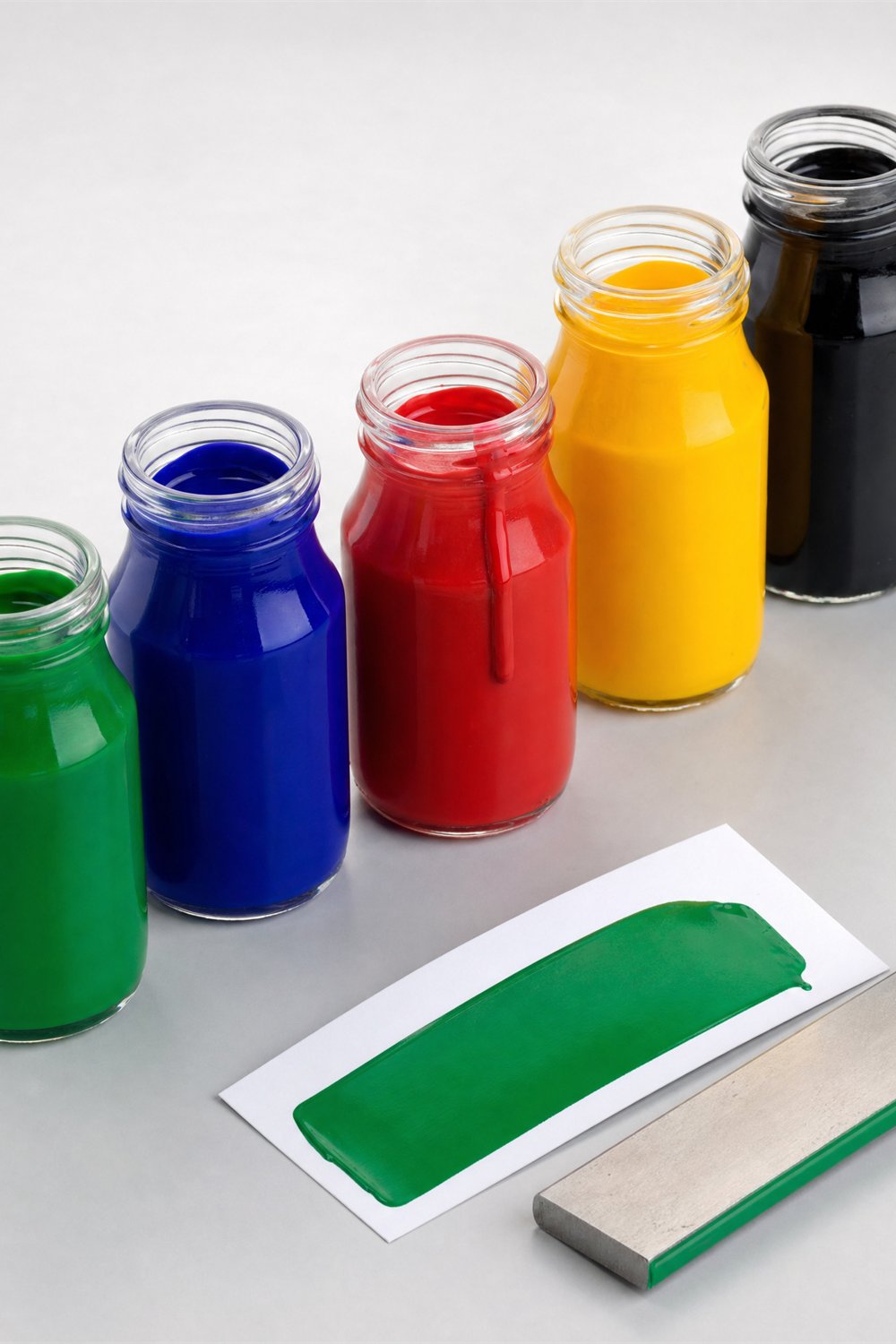
Dispersions designed for water-based architectural and industrial coatings. Lower environmental impact and compatibility with current paint systems.
- Applications
- Architectural coatings
- Water-based industrial coatings
Dispersions
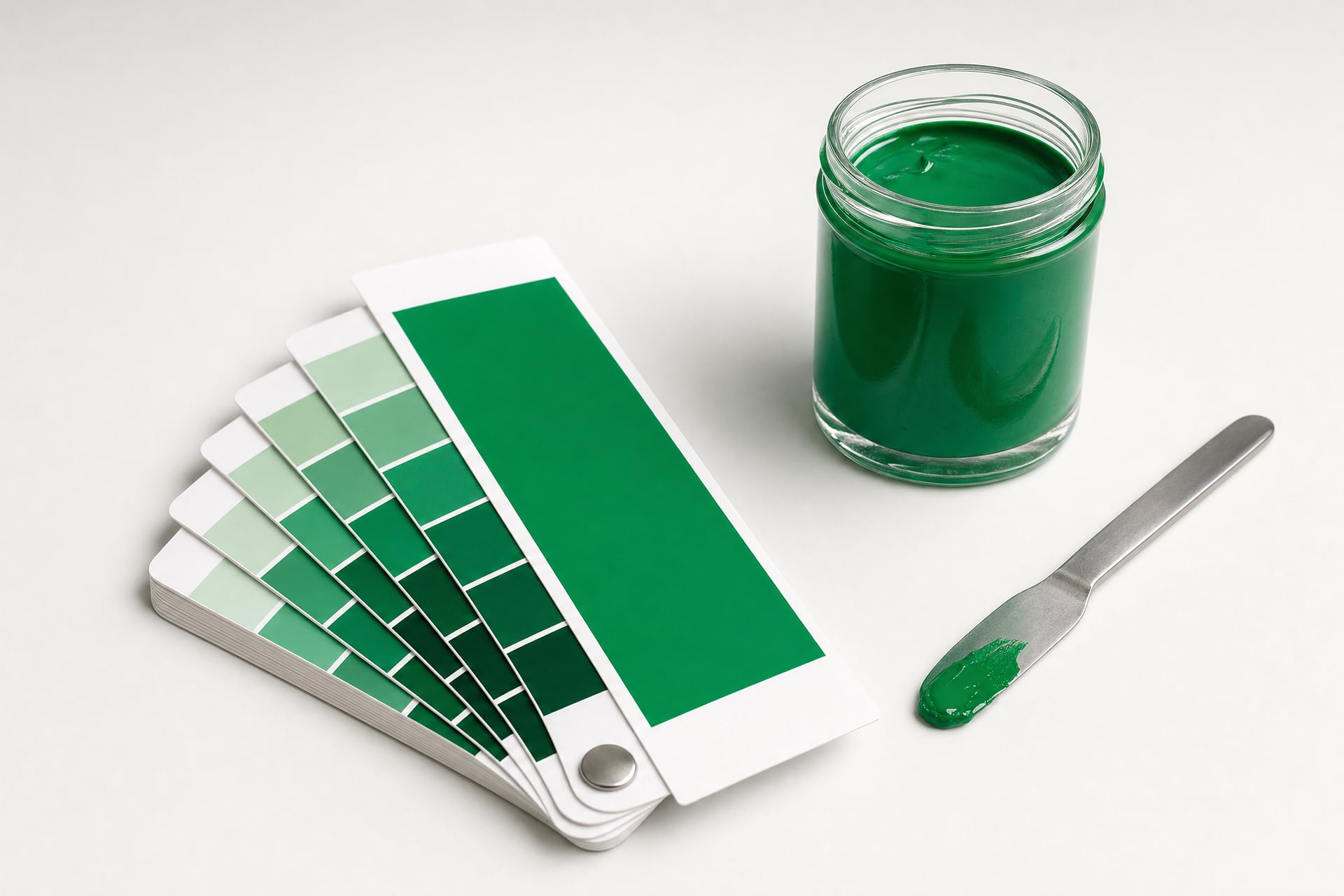
Water-based and solvent-based pigment dispersions for paints and inks, formulated to the requirement of each customer.
Two systems
Each dispersion is formulated for the system it will work in. Tell us your vehicle and your application and we propose the dispersion and the dosage.
Water-based
Dispersions designed for water-based architectural and industrial coatings. Lower environmental impact and compatibility with current paint systems.
Solvent-based
For printing inks and coatings that demand fast drying, adhesion and resistance. Consistent pigmentation in every batch.
Our own lines
Frequently asked questions
If your question is not here, write it in the quote form and we answer it with technical judgment.
Water based, solvent based and what is needed to quote a dispersion.
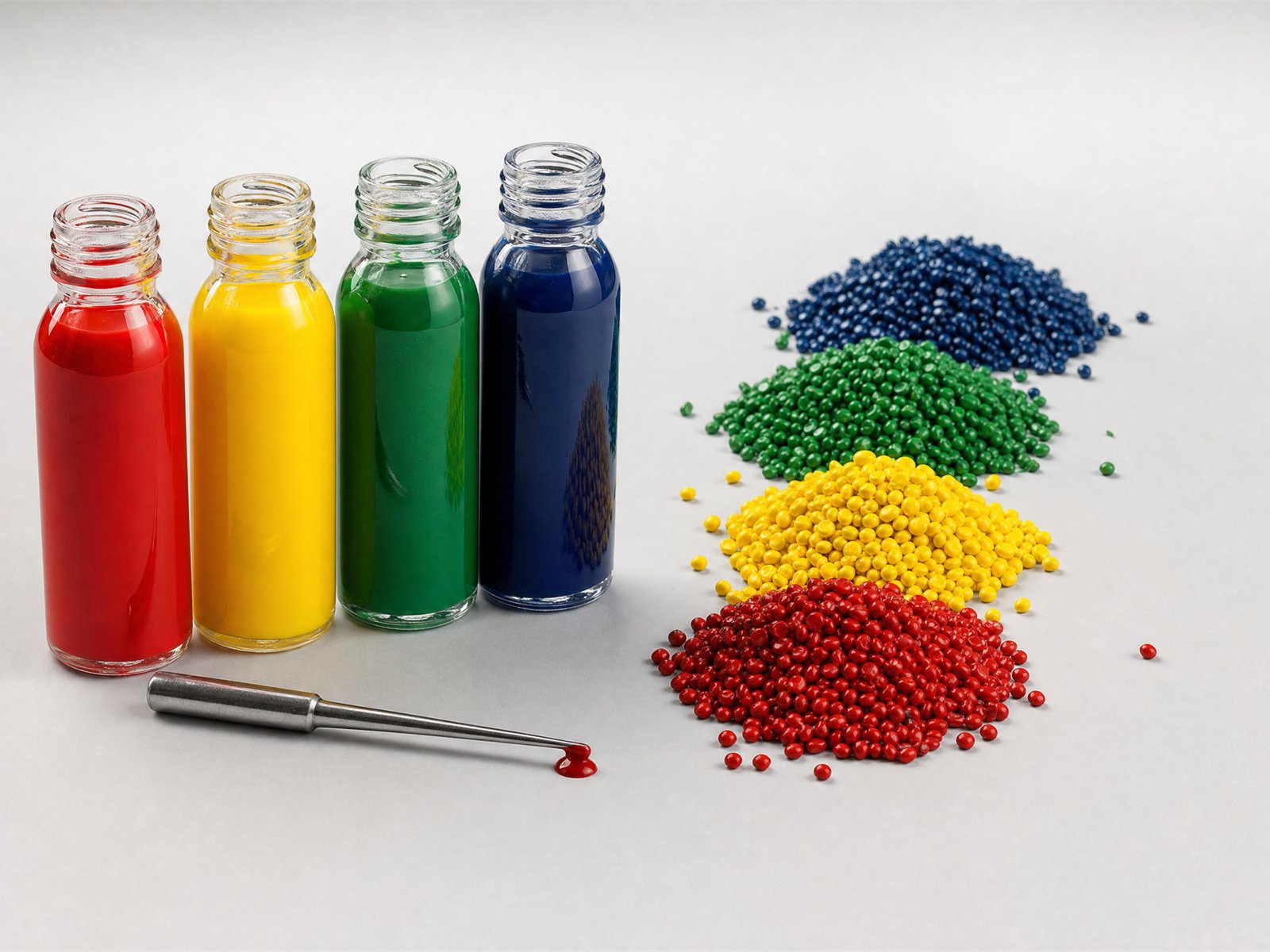
It is pigment already milled and stabilized in a liquid vehicle, water or solvent, ready to be incorporated into a paint or an ink. It arrives dispersed, so the formulator skips the milling step and gains shade repeatability.
Water based has a much lower volatile organic compound content and today reaches comparable hiding power and drying times. Solvent based still wins in durability for exterior and demanding industrial environments. The decision depends on the substrate, emission regulations and the application equipment.
Yes. They are used in printing inks and in coatings, adjusting the resin and the vehicle to the ink system. The shade is measured against the standard so the run repeats.
With the right dispersant for that pigment and that vehicle, and with proper milling. A poorly dispersed system flocculates, loses color strength and shifts shade on application. That is why it is best to request the dispersion formulated for your system instead of adjusting by eye on the plant floor.
The system type, water based or solvent based; the resin or vehicle you use; the color reference; the application method; and the estimated volume. With that a pigment, concentration and presentation are proposed.
State whether your system is water based or solvent based, the resin or vehicle, the shade reference, the application method and the estimated volume. With that we propose pigment, loading and presentation. You can attach the technical data sheet in the form. Every request is reviewed within 24 business hours.
Quote
Three pieces of information are enough to start: shade reference, application and estimated volume. Every request is reviewed within 24 business hours.
Phone
Hours
Monday to Friday, 8:00 am to 6:00 pm